Buy docking.be ?
We are moving the project
docking.be .
Are you interested in purchasing the domain
docking.be ?
domain@kv-gmbh.de · 0541-91531010
Buy docking.be ?
What is the Antarctic?
The Antarctic is a continent located at the southernmost part of the Earth. It is covered in ice and is home to the South Pole. The Antarctic is known for its extreme cold temperatures and harsh, remote environment. It is also a place of scientific research and exploration, with many countries operating research stations there to study the unique ecosystem and climate. **
Is the Antarctic a desert?
Yes, the Antarctic is considered a desert because it receives very little precipitation, with an average annual precipitation of only about 8 inches. The majority of the continent is covered by ice, and the dry, cold conditions make it similar to a desert environment. In fact, the Antarctic is the driest and windiest continent on Earth, with extremely low humidity and limited plant and animal life. **

Similar search terms for Antarctic
Top-Angebote
Products related to Antarctic:
-
THD Unico Aqua Marina diffuseur d'huiles essentielles 100 gTHD Unico Aqua Marina, 100 g, Diffuseurs de parfum avec recharge Parfum d'ambiance, S’il y a bien un endroit où l’on passe une grande partie de son temps, c’est chez soi. Ce lieu doit donc être agréable et harmonieux. Grâce à sa recharge, le diffuseur de parfum THD Unico Aqua Marina permet d’imprégner votre espace d’une fragrance délicate et de créer une ambiance apaisante. Par son design, il embellit naturellement votre intérieur, quelle que soit sa déco, et s’y intègre avec élégance. Mode d’emploi : Vous pouvez aussi renforcer l’intensité de l’odeur qui se diffuse dans votre intérieur en tournant de temps en temps les tiges qui y sont plongées. Tenir hors de portée des enfants. Si les recharges de votre diffuseur entrent en contact avec la peau, veillez à bien laver la partie du corps concernée avec une grande quantité d’eau et de savon. Si les yeux sont touchés, rincez-les pendant plusieurs minutes à l’eau.2,70 €*Shipping: 3,45 €Secure redirect to the provider

-
Can one cross under the Antarctic?
No, it is not possible to cross under the Antarctic continent. The continent is covered by a thick ice sheet, and there are no land routes that connect the opposite sides of the continent. Additionally, the extreme cold and harsh conditions make it nearly impossible for any kind of overland crossing to be attempted. The most common way to reach the opposite side of the continent is by air or sea. **
-
What is happening with the Antarctic?
The Antarctic is experiencing significant changes due to climate change. The region is warming at a faster rate than the global average, leading to the melting of its ice sheets and glaciers. This is contributing to rising sea levels and impacting the delicate ecosystems and wildlife that call the Antarctic home. Additionally, there are concerns about the potential release of large amounts of freshwater from the melting ice, which could disrupt ocean currents and further exacerbate global climate patterns. Efforts are being made to study and monitor these changes in order to better understand and mitigate their impacts. **
-
What are biotic factors in the Antarctic?
Biotic factors in the Antarctic include various species of algae, mosses, lichens, and other plants that are able to survive in the extreme cold and harsh conditions. Additionally, there are a variety of animal species such as penguins, seals, and various types of birds that have adapted to the Antarctic environment. These biotic factors play a crucial role in the Antarctic ecosystem, contributing to the overall biodiversity and functioning of the region. **
-
What happens when the Antarctic ice melts?
When the Antarctic ice melts, it contributes to rising sea levels, which can lead to coastal flooding and erosion. This can have devastating effects on coastal communities and ecosystems. Additionally, the melting of Antarctic ice can disrupt ocean currents and weather patterns, leading to changes in global climate. The release of freshwater from the melting ice can also affect marine life and ecosystems in the surrounding areas. **
What are abiotic factors in the Antarctic?
Abiotic factors in the Antarctic include extreme cold temperatures, strong winds, low precipitation, and high levels of ultraviolet radiation due to the hole in the ozone layer. The frozen landscape is also a significant abiotic factor, as the ice and snow cover much of the continent. These abiotic factors create a harsh environment that shapes the unique ecosystems and limits the types of organisms that can survive in the Antarctic. **
Can polar bears survive in the Antarctic?
No, polar bears cannot survive in the Antarctic. Polar bears are native to the Arctic region and are adapted to the cold climate and sea ice habitat found there. The Antarctic, on the other hand, is a continent surrounded by the Southern Ocean and is home to a different set of animals, such as penguins and seals. The climate and ecosystem of the Antarctic are not suitable for polar bears to survive. **
Top-Angebote
Products related to Antarctic:
-
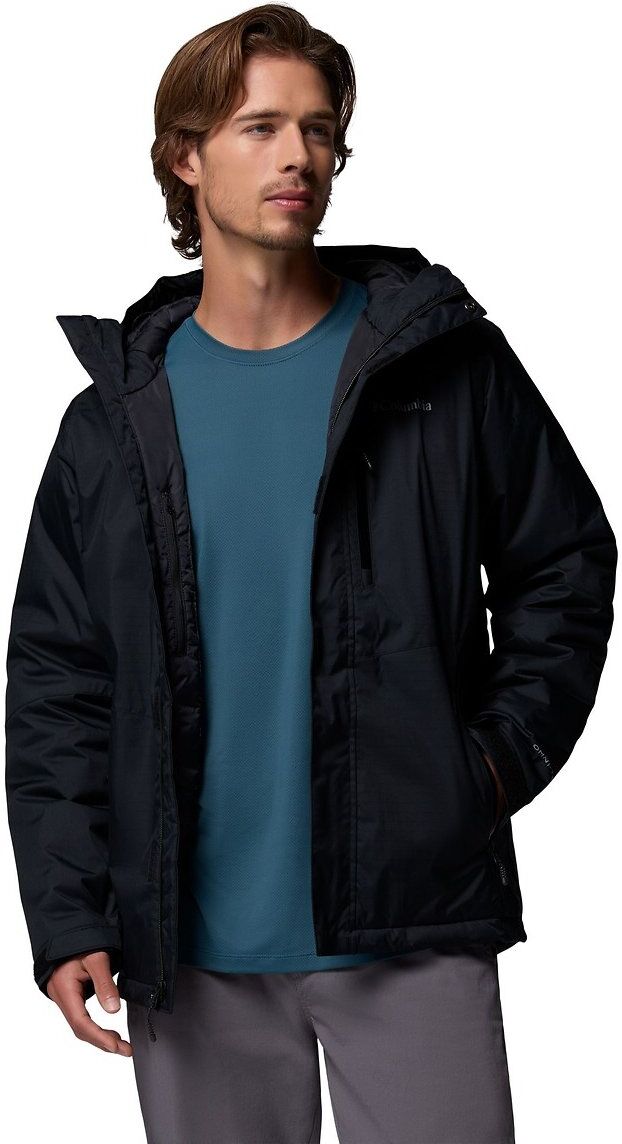
COLUMBIA Veste isolée imperméable Oak HarborDétails produit • Longueur : court • Col montant réglable par cordon • Logo brodé poitrine et manche • Fermeture zippée sous patte • Capuche fixe • 1 poche zippée poitrine + 2 poches zippées verticales devant • Poche intérieure • Poignets réglables par bandes auto-agrippantes Composition et Entretien • Matière principale : 100% polyester • Doublure : 100% polyester • Garnissage : 100% polyester • Pour l'entretien, merci de vous référer aux indications figurant sur l'étiquette du produit Fiche produit relative aux qualités et caractéristiques environnementales • Origine de fabrication (tissage, teinture, impression, confection) : Vietnam • Rejette des microfibres plastiques dans l'environnement lors du lavage. Dernière mise à jour des informations : 20/11/2025170,00 €*Shipping: 3,99 €Secure redirect to the provider
-
Millefiori Acqua Marina Laundry Carte parfumée 3 pcsMillefiori Acqua Marina Laundry, 3 pcs, Parfum pour garde-robe Parfum d'ambiance, Qui n'aime pas l'odeur du linge fraîchement lavé ? Le parfum pour garde-robe Millefiori Acqua Marina Laundry veillera à ce que vos vêtements conservent un agréable parfum même longtemps après avoir été lavés. Il suffit de placer celui-ci entre les vêtements pour bénéficier de son agréable senteur chaque fois que vous ouvrirez votre armoire. Le produit : parfum frais Mode d’emploi : Utilisez selon les instructions jointes.10,64 €*Shipping: 3,45 €Secure redirect to the provider
-
THD Unico Aqua Marina diffuseur d'huiles essentielles 100 gTHD Unico Aqua Marina, 100 g, Diffuseurs de parfum avec recharge Parfum d'ambiance, S’il y a bien un endroit où l’on passe une grande partie de son temps, c’est chez soi. Ce lieu doit donc être agréable et harmonieux. Grâce à sa recharge, le diffuseur de parfum THD Unico Aqua Marina permet d’imprégner votre espace d’une fragrance délicate et de créer une ambiance apaisante. Par son design, il embellit naturellement votre intérieur, quelle que soit sa déco, et s’y intègre avec élégance. Mode d’emploi : Vous pouvez aussi renforcer l’intensité de l’odeur qui se diffuse dans votre intérieur en tournant de temps en temps les tiges qui y sont plongées. Tenir hors de portée des enfants. Si les recharges de votre diffuseur entrent en contact avec la peau, veillez à bien laver la partie du corps concernée avec une grande quantité d’eau et de savon. Si les yeux sont touchés, rincez-les pendant plusieurs minutes à l’eau.2,70 €*Shipping: 3,45 €Secure redirect to the provider
-
What is the Antarctic?
The Antarctic is a continent located at the southernmost part of the Earth. It is covered in ice and is home to the South Pole. The Antarctic is known for its extreme cold temperatures and harsh, remote environment. It is also a place of scientific research and exploration, with many countries operating research stations there to study the unique ecosystem and climate. **
-
Is the Antarctic a desert?
Yes, the Antarctic is considered a desert because it receives very little precipitation, with an average annual precipitation of only about 8 inches. The majority of the continent is covered by ice, and the dry, cold conditions make it similar to a desert environment. In fact, the Antarctic is the driest and windiest continent on Earth, with extremely low humidity and limited plant and animal life. **
-
Can one cross under the Antarctic?
No, it is not possible to cross under the Antarctic continent. The continent is covered by a thick ice sheet, and there are no land routes that connect the opposite sides of the continent. Additionally, the extreme cold and harsh conditions make it nearly impossible for any kind of overland crossing to be attempted. The most common way to reach the opposite side of the continent is by air or sea. **
-
What is happening with the Antarctic?
The Antarctic is experiencing significant changes due to climate change. The region is warming at a faster rate than the global average, leading to the melting of its ice sheets and glaciers. This is contributing to rising sea levels and impacting the delicate ecosystems and wildlife that call the Antarctic home. Additionally, there are concerns about the potential release of large amounts of freshwater from the melting ice, which could disrupt ocean currents and further exacerbate global climate patterns. Efforts are being made to study and monitor these changes in order to better understand and mitigate their impacts. **
Similar search terms for Antarctic
-
What are biotic factors in the Antarctic?
Biotic factors in the Antarctic include various species of algae, mosses, lichens, and other plants that are able to survive in the extreme cold and harsh conditions. Additionally, there are a variety of animal species such as penguins, seals, and various types of birds that have adapted to the Antarctic environment. These biotic factors play a crucial role in the Antarctic ecosystem, contributing to the overall biodiversity and functioning of the region. **
-
What happens when the Antarctic ice melts?
When the Antarctic ice melts, it contributes to rising sea levels, which can lead to coastal flooding and erosion. This can have devastating effects on coastal communities and ecosystems. Additionally, the melting of Antarctic ice can disrupt ocean currents and weather patterns, leading to changes in global climate. The release of freshwater from the melting ice can also affect marine life and ecosystems in the surrounding areas. **
-
What are abiotic factors in the Antarctic?
Abiotic factors in the Antarctic include extreme cold temperatures, strong winds, low precipitation, and high levels of ultraviolet radiation due to the hole in the ozone layer. The frozen landscape is also a significant abiotic factor, as the ice and snow cover much of the continent. These abiotic factors create a harsh environment that shapes the unique ecosystems and limits the types of organisms that can survive in the Antarctic. **
-
Can polar bears survive in the Antarctic?
No, polar bears cannot survive in the Antarctic. Polar bears are native to the Arctic region and are adapted to the cold climate and sea ice habitat found there. The Antarctic, on the other hand, is a continent surrounded by the Southern Ocean and is home to a different set of animals, such as penguins and seals. The climate and ecosystem of the Antarctic are not suitable for polar bears to survive. **
* All prices are inclusive of VAT and, if applicable, plus shipping costs. The offer information is based on the details provided by the respective shop and is updated through automated processes. Real-time updates do not occur, so deviations can occur in individual cases. ** Note: Parts of this content were created by AI.