Buy docking.be ?
We are moving the project
docking.be .
Are you interested in purchasing the domain
docking.be ?
domain@kv-gmbh.de · 0541-91531010
Buy docking.be ?
What is the difference between Viennese Classicism and Weimar Classicism?
Viennese Classicism refers to the musical and artistic movement that emerged in Vienna during the late 18th century, with composers like Mozart, Haydn, and Beethoven as its key figures. Weimar Classicism, on the other hand, refers to the literary and cultural movement that took place in Weimar, Germany, during the late 18th and early 19th centuries, with writers and thinkers like Goethe and Schiller at its center. While Viennese Classicism is primarily associated with music, Weimar Classicism is more focused on literature and philosophy. Both movements, however, share a commitment to balance, harmony, and a return to classical forms and ideals. **
Has Weimar Classicism failed?
Weimar Classicism, a cultural and literary movement in Germany during the late 18th and early 19th centuries, is considered by many to have been a successful period of artistic and intellectual achievement. However, some critics argue that it failed to bring about lasting social or political change. While Weimar Classicism did not lead to significant reforms or revolution, its impact on German literature, philosophy, and culture was profound and enduring. Ultimately, whether Weimar Classicism can be considered a failure depends on the criteria by which its success is judged. **


Similar search terms for Classicism
Top-Angebote
Products related to Classicism:
-
THD Unico Aqua Marina diffuseur d'huiles essentielles 100 gTHD Unico Aqua Marina, 100 g, Diffuseurs de parfum avec recharge Parfum d'ambiance, S’il y a bien un endroit où l’on passe une grande partie de son temps, c’est chez soi. Ce lieu doit donc être agréable et harmonieux. Grâce à sa recharge, le diffuseur de parfum THD Unico Aqua Marina permet d’imprégner votre espace d’une fragrance délicate et de créer une ambiance apaisante. Par son design, il embellit naturellement votre intérieur, quelle que soit sa déco, et s’y intègre avec élégance. Mode d’emploi : Vous pouvez aussi renforcer l’intensité de l’odeur qui se diffuse dans votre intérieur en tournant de temps en temps les tiges qui y sont plongées. Tenir hors de portée des enfants. Si les recharges de votre diffuseur entrent en contact avec la peau, veillez à bien laver la partie du corps concernée avec une grande quantité d’eau et de savon. Si les yeux sont touchés, rincez-les pendant plusieurs minutes à l’eau.2,70 €*Shipping: 3,45 €Secure redirect to the provider
-
Trussardi Pink Marina Eau de Toilette pour femme 100 mlTrussardi Pink Marina, 100 ml, Eaux de Toilette pour femme, Laissez-vous imprégner par un parfum qui vous mettra de bonne humeur tout au long de la journée. L’eau de toilette pour femme Trussardi Pink Marina reflète l’optimisme et le bonheur à l’état pur. parfum floral pour les femmes modernes du 21e siècle parfum de tous les jours51,60 €*Shipping: 3,45 €Secure redirect to the provider
-
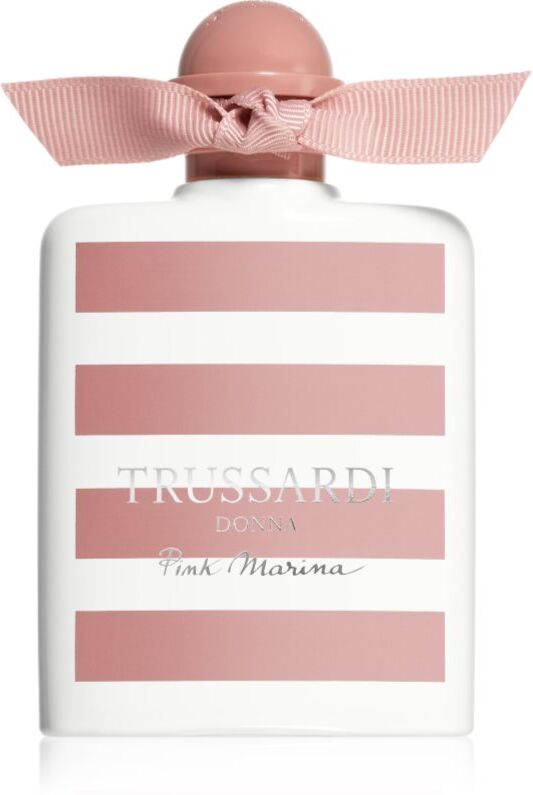
Trussardi Pink Marina Eau de Toilette pour femme 50 mlTrussardi Pink Marina, 50 ml, Eaux de Toilette pour femme, Laissez-vous imprégner par un parfum qui vous mettra de bonne humeur tout au long de la journée. L’eau de toilette pour femme Trussardi Pink Marina reflète l’optimisme et le bonheur à l’état pur. parfum floral pour les femmes modernes du 21e siècle parfum de tous les jours36,80 €*Shipping: 3,45 €Secure redirect to the provider



-
Has the Weimar Classicism failed?
The Weimar Classicism, which was a cultural and literary movement in Germany during the late 18th and early 19th centuries, can be considered a success in many ways. It brought together some of the greatest minds of the time, including Johann Wolfgang von Goethe and Friedrich Schiller, and produced timeless works of literature and philosophy. However, it could be argued that the movement failed to have a lasting impact on German society and politics, as it was eventually overshadowed by the rise of Romanticism and the political turmoil of the 19th century. Ultimately, whether or not Weimar Classicism failed depends on the criteria used to measure its success. **
-
What are examples of Weimar Classicism?
Some examples of Weimar Classicism include the works of Johann Wolfgang von Goethe, such as his novel "Wilhelm Meister's Apprenticeship" and his play "Faust." Another example is Friedrich Schiller's play "William Tell," which reflects the ideals of the movement through its focus on heroism and freedom. Additionally, the architectural designs of Weimar, such as the Weimar Court Theater and the Weimar City Palace, also exemplify the principles of Weimar Classicism through their emphasis on balance, harmony, and classical forms. **
-
What are typical poems of Weimar Classicism?
Typical poems of Weimar Classicism often focus on themes of nature, beauty, and the human experience. They are characterized by their clarity, balance, and harmony, drawing inspiration from classical Greek and Roman literature. Poets of this movement, such as Johann Wolfgang von Goethe and Friedrich Schiller, sought to create works that were both intellectually stimulating and emotionally resonant, reflecting the ideals of the Enlightenment. These poems often explore the tension between reason and emotion, and the search for meaning and truth in the world. **
-
What are the traditions of Weimar Classicism?
Weimar Classicism was a cultural and literary movement that emerged in the late 18th century in Germany. Some of the key traditions of Weimar Classicism include a focus on reason, harmony, and balance in both art and society. This movement also emphasized the importance of education, humanism, and the pursuit of knowledge. Weimar Classicism sought to revive the ideals of ancient Greece and Rome, and its proponents believed in the power of art and literature to elevate and educate society. **


What is the literary era of Classicism?
The literary era of Classicism, also known as Neoclassicism, emerged in the 18th century as a reaction against the extravagance and emotionalism of the Baroque period. Classicism emphasized order, reason, and rationality, drawing inspiration from the art and literature of ancient Greece and Rome. Writers during this era sought to emulate the style and themes of classical antiquity, focusing on clarity, balance, and restraint in their works. Classicism also placed a strong emphasis on the use of formal structures and traditional poetic forms, such as the sonnet and the heroic couplet. **
What are the criticisms of Weimar Classicism?
Critics of Weimar Classicism argue that it was overly idealistic and focused on an unrealistic vision of a harmonious society, ignoring the social and political tensions of the time. They also claim that the movement was elitist, catering to the intellectual and aristocratic elite while neglecting the concerns of the working class. Additionally, some critics argue that Weimar Classicism's emphasis on rationality and order stifled creativity and individual expression, leading to a lack of innovation in the arts and literature. **
Top-Angebote
Products related to Classicism:
-
COLUMBIA Veste isolée imperméable Oak HarborDétails produit • Longueur : court • Col montant réglable par cordon • Logo brodé poitrine et manche • Fermeture zippée sous patte • Capuche fixe • 1 poche zippée poitrine + 2 poches zippées verticales devant • Poche intérieure • Poignets réglables par bandes auto-agrippantes Composition et Entretien • Matière principale : 100% polyester • Doublure : 100% polyester • Garnissage : 100% polyester • Pour l'entretien, merci de vous référer aux indications figurant sur l'étiquette du produit Fiche produit relative aux qualités et caractéristiques environnementales • Origine de fabrication (tissage, teinture, impression, confection) : Vietnam • Rejette des microfibres plastiques dans l'environnement lors du lavage. Dernière mise à jour des informations : 20/11/2025170,00 €*Shipping: 3,99 €Secure redirect to the provider
-
Millefiori Acqua Marina Laundry Carte parfumée 3 pcsMillefiori Acqua Marina Laundry, 3 pcs, Parfum pour garde-robe Parfum d'ambiance, Qui n'aime pas l'odeur du linge fraîchement lavé ? Le parfum pour garde-robe Millefiori Acqua Marina Laundry veillera à ce que vos vêtements conservent un agréable parfum même longtemps après avoir été lavés. Il suffit de placer celui-ci entre les vêtements pour bénéficier de son agréable senteur chaque fois que vous ouvrirez votre armoire. Le produit : parfum frais Mode d’emploi : Utilisez selon les instructions jointes.10,64 €*Shipping: 3,45 €Secure redirect to the provider
-
THD Unico Aqua Marina diffuseur d'huiles essentielles 100 gTHD Unico Aqua Marina, 100 g, Diffuseurs de parfum avec recharge Parfum d'ambiance, S’il y a bien un endroit où l’on passe une grande partie de son temps, c’est chez soi. Ce lieu doit donc être agréable et harmonieux. Grâce à sa recharge, le diffuseur de parfum THD Unico Aqua Marina permet d’imprégner votre espace d’une fragrance délicate et de créer une ambiance apaisante. Par son design, il embellit naturellement votre intérieur, quelle que soit sa déco, et s’y intègre avec élégance. Mode d’emploi : Vous pouvez aussi renforcer l’intensité de l’odeur qui se diffuse dans votre intérieur en tournant de temps en temps les tiges qui y sont plongées. Tenir hors de portée des enfants. Si les recharges de votre diffuseur entrent en contact avec la peau, veillez à bien laver la partie du corps concernée avec une grande quantité d’eau et de savon. Si les yeux sont touchés, rincez-les pendant plusieurs minutes à l’eau.2,70 €*Shipping: 3,45 €Secure redirect to the provider
-
Trussardi Pink Marina Eau de Toilette pour femme 100 mlTrussardi Pink Marina, 100 ml, Eaux de Toilette pour femme, Laissez-vous imprégner par un parfum qui vous mettra de bonne humeur tout au long de la journée. L’eau de toilette pour femme Trussardi Pink Marina reflète l’optimisme et le bonheur à l’état pur. parfum floral pour les femmes modernes du 21e siècle parfum de tous les jours51,60 €*Shipping: 3,45 €Secure redirect to the provider
-
What is the difference between Viennese Classicism and Weimar Classicism?
Viennese Classicism refers to the musical and artistic movement that emerged in Vienna during the late 18th century, with composers like Mozart, Haydn, and Beethoven as its key figures. Weimar Classicism, on the other hand, refers to the literary and cultural movement that took place in Weimar, Germany, during the late 18th and early 19th centuries, with writers and thinkers like Goethe and Schiller at its center. While Viennese Classicism is primarily associated with music, Weimar Classicism is more focused on literature and philosophy. Both movements, however, share a commitment to balance, harmony, and a return to classical forms and ideals. **
-
Has Weimar Classicism failed?
Weimar Classicism, a cultural and literary movement in Germany during the late 18th and early 19th centuries, is considered by many to have been a successful period of artistic and intellectual achievement. However, some critics argue that it failed to bring about lasting social or political change. While Weimar Classicism did not lead to significant reforms or revolution, its impact on German literature, philosophy, and culture was profound and enduring. Ultimately, whether Weimar Classicism can be considered a failure depends on the criteria by which its success is judged. **
-
Has the Weimar Classicism failed?
The Weimar Classicism, which was a cultural and literary movement in Germany during the late 18th and early 19th centuries, can be considered a success in many ways. It brought together some of the greatest minds of the time, including Johann Wolfgang von Goethe and Friedrich Schiller, and produced timeless works of literature and philosophy. However, it could be argued that the movement failed to have a lasting impact on German society and politics, as it was eventually overshadowed by the rise of Romanticism and the political turmoil of the 19th century. Ultimately, whether or not Weimar Classicism failed depends on the criteria used to measure its success. **
-
What are examples of Weimar Classicism?
Some examples of Weimar Classicism include the works of Johann Wolfgang von Goethe, such as his novel "Wilhelm Meister's Apprenticeship" and his play "Faust." Another example is Friedrich Schiller's play "William Tell," which reflects the ideals of the movement through its focus on heroism and freedom. Additionally, the architectural designs of Weimar, such as the Weimar Court Theater and the Weimar City Palace, also exemplify the principles of Weimar Classicism through their emphasis on balance, harmony, and classical forms. **
Similar search terms for Classicism
-
Trussardi Pink Marina Eau de Toilette pour femme 50 mlTrussardi Pink Marina, 50 ml, Eaux de Toilette pour femme, Laissez-vous imprégner par un parfum qui vous mettra de bonne humeur tout au long de la journée. L’eau de toilette pour femme Trussardi Pink Marina reflète l’optimisme et le bonheur à l’état pur. parfum floral pour les femmes modernes du 21e siècle parfum de tous les jours36,80 €*Shipping: 3,45 €Secure redirect to the provider
-
Trussardi Pink Marina Eau de Toilette pour femme 30 mlTrussardi Pink Marina, 30 ml, Eaux de Toilette pour femme, Laissez-vous imprégner par un parfum qui vous mettra de bonne humeur tout au long de la journée. L’eau de toilette pour femme Trussardi Pink Marina reflète l’optimisme et le bonheur à l’état pur. parfum floral pour les femmes modernes du 21e siècle parfum de tous les jours25,56 €*Shipping: 3,45 €Secure redirect to the provider
-
Paris Corner Taskeen Marina Eau de Parfum pour femme 15 mlParis Corner Taskeen Marina, 15 ml, Eaux de Parfum pour femme, Si vous aimez les fruits, l’eau de parfum pour femme Paris Corner Taskeen Marina vous séduira totalement. Il vous sera difficile de résister aux délicieuses tonalités juteuses de ses fruits, qui ne manqueront pas de rendre vos journées encore plus exquises. parfum frais et pur parfum floral parfum oriental parfum fruité5,36 €*Shipping: 3,45 €Secure redirect to the provider
-
What are typical poems of Weimar Classicism?
Typical poems of Weimar Classicism often focus on themes of nature, beauty, and the human experience. They are characterized by their clarity, balance, and harmony, drawing inspiration from classical Greek and Roman literature. Poets of this movement, such as Johann Wolfgang von Goethe and Friedrich Schiller, sought to create works that were both intellectually stimulating and emotionally resonant, reflecting the ideals of the Enlightenment. These poems often explore the tension between reason and emotion, and the search for meaning and truth in the world. **
-
What are the traditions of Weimar Classicism?
Weimar Classicism was a cultural and literary movement that emerged in the late 18th century in Germany. Some of the key traditions of Weimar Classicism include a focus on reason, harmony, and balance in both art and society. This movement also emphasized the importance of education, humanism, and the pursuit of knowledge. Weimar Classicism sought to revive the ideals of ancient Greece and Rome, and its proponents believed in the power of art and literature to elevate and educate society. **
-
What is the literary era of Classicism?
The literary era of Classicism, also known as Neoclassicism, emerged in the 18th century as a reaction against the extravagance and emotionalism of the Baroque period. Classicism emphasized order, reason, and rationality, drawing inspiration from the art and literature of ancient Greece and Rome. Writers during this era sought to emulate the style and themes of classical antiquity, focusing on clarity, balance, and restraint in their works. Classicism also placed a strong emphasis on the use of formal structures and traditional poetic forms, such as the sonnet and the heroic couplet. **
-
What are the criticisms of Weimar Classicism?
Critics of Weimar Classicism argue that it was overly idealistic and focused on an unrealistic vision of a harmonious society, ignoring the social and political tensions of the time. They also claim that the movement was elitist, catering to the intellectual and aristocratic elite while neglecting the concerns of the working class. Additionally, some critics argue that Weimar Classicism's emphasis on rationality and order stifled creativity and individual expression, leading to a lack of innovation in the arts and literature. **
* All prices are inclusive of VAT and, if applicable, plus shipping costs. The offer information is based on the details provided by the respective shop and is updated through automated processes. Real-time updates do not occur, so deviations can occur in individual cases. ** Note: Parts of this content were created by AI.