Buy docking.be ?
We are moving the project
docking.be .
Are you interested in purchasing the domain
docking.be ?
domain@kv-gmbh.de · 0541-91531010
Buy docking.be ?
Is it a genitive object or an adverbial genitive?
The distinction between a genitive object and an adverbial genitive depends on the function of the genitive in the sentence. A genitive object typically functions as the direct object of a verb, indicating possession or association, while an adverbial genitive modifies the action of the verb, indicating manner, time, place, or other circumstances. To determine whether a genitive is a genitive object or an adverbial genitive, it is important to analyze the role it plays in the sentence and its relationship to the verb and other elements. **
Nominative or genitive?
Nominative and genitive are both grammatical cases in many languages, including Latin and German. The nominative case is used for the subject of a sentence, while the genitive case is used to show possession or relationship between nouns. In English, the genitive case is often indicated by adding an apostrophe and an "s" to a noun. **


Similar search terms for Genitive
Top-Angebote
Products related to Genitive:
-
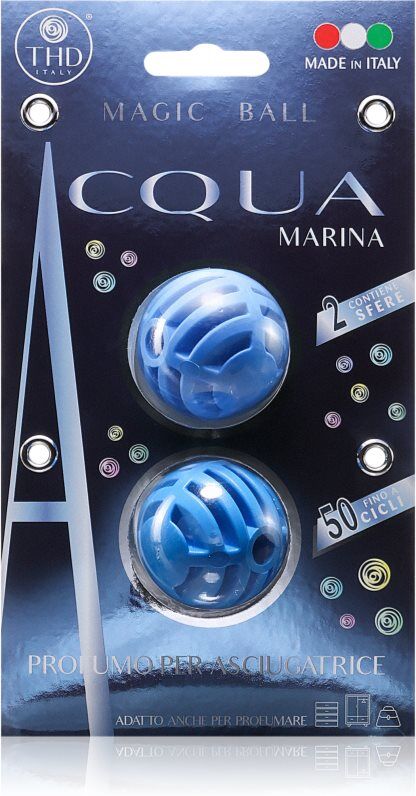
THD Unico Aqua Marina diffuseur d'huiles essentielles 100 gTHD Unico Aqua Marina, 100 g, Diffuseurs de parfum avec recharge Parfum d'ambiance, S’il y a bien un endroit où l’on passe une grande partie de son temps, c’est chez soi. Ce lieu doit donc être agréable et harmonieux. Grâce à sa recharge, le diffuseur de parfum THD Unico Aqua Marina permet d’imprégner votre espace d’une fragrance délicate et de créer une ambiance apaisante. Par son design, il embellit naturellement votre intérieur, quelle que soit sa déco, et s’y intègre avec élégance. Mode d’emploi : Vous pouvez aussi renforcer l’intensité de l’odeur qui se diffuse dans votre intérieur en tournant de temps en temps les tiges qui y sont plongées. Tenir hors de portée des enfants. Si les recharges de votre diffuseur entrent en contact avec la peau, veillez à bien laver la partie du corps concernée avec une grande quantité d’eau et de savon. Si les yeux sont touchés, rincez-les pendant plusieurs minutes à l’eau.2,70 €*Shipping: 3,45 €Secure redirect to the provider
-
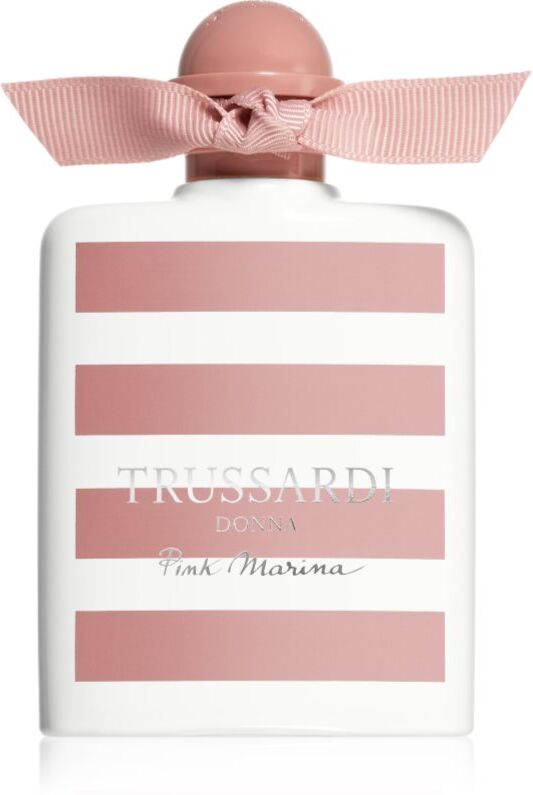
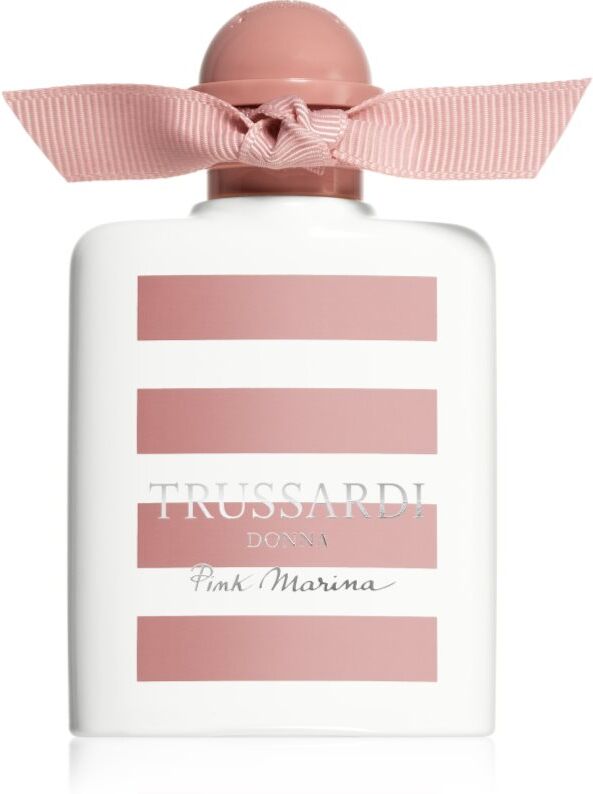
Trussardi Pink Marina Eau de Toilette pour femme 100 mlTrussardi Pink Marina, 100 ml, Eaux de Toilette pour femme, Laissez-vous imprégner par un parfum qui vous mettra de bonne humeur tout au long de la journée. L’eau de toilette pour femme Trussardi Pink Marina reflète l’optimisme et le bonheur à l’état pur. parfum floral pour les femmes modernes du 21e siècle parfum de tous les jours51,60 €*Shipping: 3,45 €Secure redirect to the provider
-
Trussardi Pink Marina Eau de Toilette pour femme 50 mlTrussardi Pink Marina, 50 ml, Eaux de Toilette pour femme, Laissez-vous imprégner par un parfum qui vous mettra de bonne humeur tout au long de la journée. L’eau de toilette pour femme Trussardi Pink Marina reflète l’optimisme et le bonheur à l’état pur. parfum floral pour les femmes modernes du 21e siècle parfum de tous les jours36,80 €*Shipping: 3,45 €Secure redirect to the provider


-
'Genitive or accusative?'
The genitive case is used to show possession or relationship between nouns, while the accusative case is used to show the direct object of a verb. In general, the genitive case is used to indicate ownership or association, while the accusative case is used to indicate the direct object of a verb or the object of a preposition. The choice between genitive and accusative depends on the specific context and the grammatical rules of the language being used. **
-
Genitive or accusative?
The genitive case is used to show possession or relationship between nouns, while the accusative case is used to show the direct object of a verb or the object of certain prepositions. In general, the genitive case is used to indicate possession or belonging, while the accusative case is used to indicate the direct object of a verb or the object of a preposition. The choice between genitive and accusative depends on the specific context and the grammatical rules of the language being used. **
-
What is the difference between genitive attribute and genitive object?
The genitive attribute is a noun or pronoun that describes another noun by showing possession or association, typically indicated by the use of an apostrophe and the letter "s" ('s) or simply an apostrophe ('). For example, in the phrase "the car's color," "car's" is the genitive attribute describing the color. On the other hand, the genitive object is a noun or pronoun that receives the action of a verb and is also in the genitive case, indicating possession or association. For example, in the phrase "I saw the dog's tail," "dog's" is the genitive object showing possession of the tail. In summary, the genitive attribute describes the noun it is attached to, while the genitive object receives the action of the verb and shows possession or association. **
-
Dative or Genitive 2?
The choice between dative and genitive case in German depends on the verb or preposition being used. "Dative" is used to indicate the indirect object of a sentence, while "genitive" is used to show possession or a relationship between two nouns. "Genitive 2" specifically refers to the genitive case used after certain prepositions, such as trotz (despite) or während (during). It's important to learn the specific prepositions and verbs that require either dative or genitive case in order to use them correctly in German sentences. **

What is the difference between the genitive attribute and the genitive object?
The genitive attribute is a noun or pronoun that is used to describe another noun, showing possession or relationship, and is typically placed before the noun it is modifying. For example, "the car's color" where "car's" is the genitive attribute. On the other hand, the genitive object is a noun or pronoun that is the direct object of a verb and is in the genitive case to show possession or relationship. For example, "I saw the dog's tail" where "tail" is the genitive object. In summary, the genitive attribute describes a noun, while the genitive object is the direct object of a verb and shows possession or relationship. **
Genitive without 'der' or 'die'?
In German, the genitive case is used to show possession or relationships between nouns. While it is common to use "der" or "die" in the genitive case to indicate the gender of the noun, there are some instances where these articles are omitted. This typically occurs with masculine and neuter singular nouns that end in "-s" or "-es" in the genitive case, such as "des Vaters" (of the father) or "des Hauses" (of the house). It is important to pay attention to the gender and case of the noun when determining whether to include "der" or "die" in the genitive construction. **
Top-Angebote
Products related to Genitive:
-
COLUMBIA Veste isolée imperméable Oak HarborDétails produit • Longueur : court • Col montant réglable par cordon • Logo brodé poitrine et manche • Fermeture zippée sous patte • Capuche fixe • 1 poche zippée poitrine + 2 poches zippées verticales devant • Poche intérieure • Poignets réglables par bandes auto-agrippantes Composition et Entretien • Matière principale : 100% polyester • Doublure : 100% polyester • Garnissage : 100% polyester • Pour l'entretien, merci de vous référer aux indications figurant sur l'étiquette du produit Fiche produit relative aux qualités et caractéristiques environnementales • Origine de fabrication (tissage, teinture, impression, confection) : Vietnam • Rejette des microfibres plastiques dans l'environnement lors du lavage. Dernière mise à jour des informations : 20/11/2025170,00 €*Shipping: 3,99 €Secure redirect to the provider
-
Millefiori Acqua Marina Laundry Carte parfumée 3 pcsMillefiori Acqua Marina Laundry, 3 pcs, Parfum pour garde-robe Parfum d'ambiance, Qui n'aime pas l'odeur du linge fraîchement lavé ? Le parfum pour garde-robe Millefiori Acqua Marina Laundry veillera à ce que vos vêtements conservent un agréable parfum même longtemps après avoir été lavés. Il suffit de placer celui-ci entre les vêtements pour bénéficier de son agréable senteur chaque fois que vous ouvrirez votre armoire. Le produit : parfum frais Mode d’emploi : Utilisez selon les instructions jointes.10,64 €*Shipping: 3,45 €Secure redirect to the provider
-
THD Unico Aqua Marina diffuseur d'huiles essentielles 100 gTHD Unico Aqua Marina, 100 g, Diffuseurs de parfum avec recharge Parfum d'ambiance, S’il y a bien un endroit où l’on passe une grande partie de son temps, c’est chez soi. Ce lieu doit donc être agréable et harmonieux. Grâce à sa recharge, le diffuseur de parfum THD Unico Aqua Marina permet d’imprégner votre espace d’une fragrance délicate et de créer une ambiance apaisante. Par son design, il embellit naturellement votre intérieur, quelle que soit sa déco, et s’y intègre avec élégance. Mode d’emploi : Vous pouvez aussi renforcer l’intensité de l’odeur qui se diffuse dans votre intérieur en tournant de temps en temps les tiges qui y sont plongées. Tenir hors de portée des enfants. Si les recharges de votre diffuseur entrent en contact avec la peau, veillez à bien laver la partie du corps concernée avec une grande quantité d’eau et de savon. Si les yeux sont touchés, rincez-les pendant plusieurs minutes à l’eau.2,70 €*Shipping: 3,45 €Secure redirect to the provider
-
Trussardi Pink Marina Eau de Toilette pour femme 100 mlTrussardi Pink Marina, 100 ml, Eaux de Toilette pour femme, Laissez-vous imprégner par un parfum qui vous mettra de bonne humeur tout au long de la journée. L’eau de toilette pour femme Trussardi Pink Marina reflète l’optimisme et le bonheur à l’état pur. parfum floral pour les femmes modernes du 21e siècle parfum de tous les jours51,60 €*Shipping: 3,45 €Secure redirect to the provider
-
Is it a genitive object or an adverbial genitive?
The distinction between a genitive object and an adverbial genitive depends on the function of the genitive in the sentence. A genitive object typically functions as the direct object of a verb, indicating possession or association, while an adverbial genitive modifies the action of the verb, indicating manner, time, place, or other circumstances. To determine whether a genitive is a genitive object or an adverbial genitive, it is important to analyze the role it plays in the sentence and its relationship to the verb and other elements. **
-
Nominative or genitive?
Nominative and genitive are both grammatical cases in many languages, including Latin and German. The nominative case is used for the subject of a sentence, while the genitive case is used to show possession or relationship between nouns. In English, the genitive case is often indicated by adding an apostrophe and an "s" to a noun. **
-
'Genitive or accusative?'
The genitive case is used to show possession or relationship between nouns, while the accusative case is used to show the direct object of a verb. In general, the genitive case is used to indicate ownership or association, while the accusative case is used to indicate the direct object of a verb or the object of a preposition. The choice between genitive and accusative depends on the specific context and the grammatical rules of the language being used. **
-
Genitive or accusative?
The genitive case is used to show possession or relationship between nouns, while the accusative case is used to show the direct object of a verb or the object of certain prepositions. In general, the genitive case is used to indicate possession or belonging, while the accusative case is used to indicate the direct object of a verb or the object of a preposition. The choice between genitive and accusative depends on the specific context and the grammatical rules of the language being used. **
Similar search terms for Genitive
-
Trussardi Pink Marina Eau de Toilette pour femme 50 mlTrussardi Pink Marina, 50 ml, Eaux de Toilette pour femme, Laissez-vous imprégner par un parfum qui vous mettra de bonne humeur tout au long de la journée. L’eau de toilette pour femme Trussardi Pink Marina reflète l’optimisme et le bonheur à l’état pur. parfum floral pour les femmes modernes du 21e siècle parfum de tous les jours36,80 €*Shipping: 3,45 €Secure redirect to the provider
-
Trussardi Pink Marina Eau de Toilette pour femme 30 mlTrussardi Pink Marina, 30 ml, Eaux de Toilette pour femme, Laissez-vous imprégner par un parfum qui vous mettra de bonne humeur tout au long de la journée. L’eau de toilette pour femme Trussardi Pink Marina reflète l’optimisme et le bonheur à l’état pur. parfum floral pour les femmes modernes du 21e siècle parfum de tous les jours25,56 €*Shipping: 3,45 €Secure redirect to the provider
-
Paris Corner Taskeen Marina Eau de Parfum pour femme 15 mlParis Corner Taskeen Marina, 15 ml, Eaux de Parfum pour femme, Si vous aimez les fruits, l’eau de parfum pour femme Paris Corner Taskeen Marina vous séduira totalement. Il vous sera difficile de résister aux délicieuses tonalités juteuses de ses fruits, qui ne manqueront pas de rendre vos journées encore plus exquises. parfum frais et pur parfum floral parfum oriental parfum fruité5,36 €*Shipping: 3,45 €Secure redirect to the provider
-
What is the difference between genitive attribute and genitive object?
The genitive attribute is a noun or pronoun that describes another noun by showing possession or association, typically indicated by the use of an apostrophe and the letter "s" ('s) or simply an apostrophe ('). For example, in the phrase "the car's color," "car's" is the genitive attribute describing the color. On the other hand, the genitive object is a noun or pronoun that receives the action of a verb and is also in the genitive case, indicating possession or association. For example, in the phrase "I saw the dog's tail," "dog's" is the genitive object showing possession of the tail. In summary, the genitive attribute describes the noun it is attached to, while the genitive object receives the action of the verb and shows possession or association. **
-
Dative or Genitive 2?
The choice between dative and genitive case in German depends on the verb or preposition being used. "Dative" is used to indicate the indirect object of a sentence, while "genitive" is used to show possession or a relationship between two nouns. "Genitive 2" specifically refers to the genitive case used after certain prepositions, such as trotz (despite) or während (during). It's important to learn the specific prepositions and verbs that require either dative or genitive case in order to use them correctly in German sentences. **
-
What is the difference between the genitive attribute and the genitive object?
The genitive attribute is a noun or pronoun that is used to describe another noun, showing possession or relationship, and is typically placed before the noun it is modifying. For example, "the car's color" where "car's" is the genitive attribute. On the other hand, the genitive object is a noun or pronoun that is the direct object of a verb and is in the genitive case to show possession or relationship. For example, "I saw the dog's tail" where "tail" is the genitive object. In summary, the genitive attribute describes a noun, while the genitive object is the direct object of a verb and shows possession or relationship. **
-
Genitive without 'der' or 'die'?
In German, the genitive case is used to show possession or relationships between nouns. While it is common to use "der" or "die" in the genitive case to indicate the gender of the noun, there are some instances where these articles are omitted. This typically occurs with masculine and neuter singular nouns that end in "-s" or "-es" in the genitive case, such as "des Vaters" (of the father) or "des Hauses" (of the house). It is important to pay attention to the gender and case of the noun when determining whether to include "der" or "die" in the genitive construction. **
* All prices are inclusive of VAT and, if applicable, plus shipping costs. The offer information is based on the details provided by the respective shop and is updated through automated processes. Real-time updates do not occur, so deviations can occur in individual cases. ** Note: Parts of this content were created by AI.