Buy docking.be ?
We are moving the project
docking.be .
Are you interested in purchasing the domain
docking.be ?
domain@kv-gmbh.de · 0541-91531010
Buy docking.be ?
What are sensory cells, sensory organs, and senses?
Sensory cells are specialized cells that detect and respond to specific stimuli, such as light, sound, touch, taste, and smell. These cells are found in sensory organs, which are structures in the body that contain sensory cells and are responsible for detecting and transmitting sensory information to the brain. The senses, on the other hand, are the physiological capacities of organisms that provide data for perception. They include sight, hearing, touch, taste, and smell, and are essential for experiencing and interacting with the environment. **
What is the difference between a primary sensory cell, a secondary sensory cell, and a sensory nerve cell?
Primary sensory cells are specialized cells that directly detect stimuli from the environment, such as light, sound, or touch. Secondary sensory cells receive signals from primary sensory cells and transmit them to the central nervous system. Sensory nerve cells, also known as sensory neurons, are responsible for transmitting the signals from secondary sensory cells to the brain, where they are processed and interpreted. In summary, primary sensory cells detect stimuli, secondary sensory cells relay the signals, and sensory nerve cells transmit the signals to the brain for processing. **

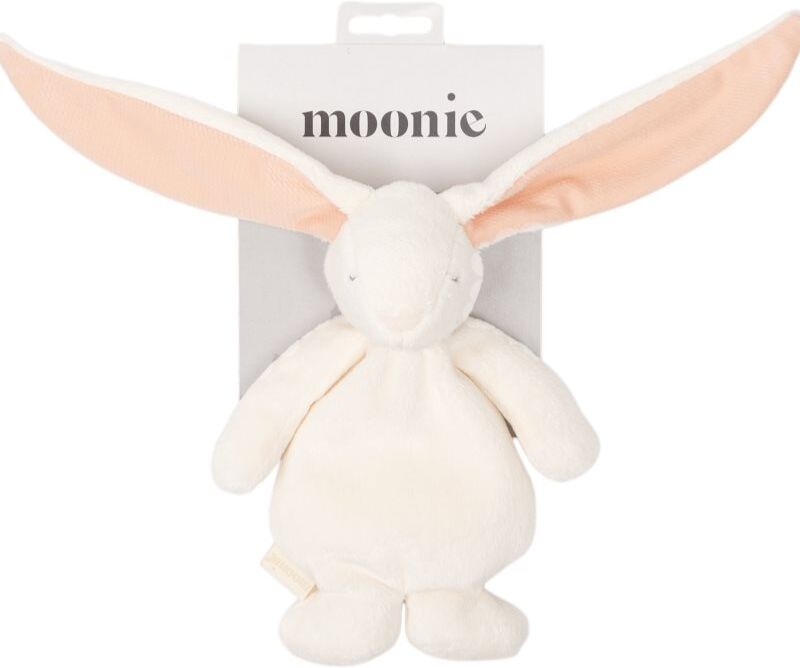
Similar search terms for Moonie-Sensory-Little-Teddy
Top-Angebote
Products related to Moonie-Sensory-Little-Teddy:
-
LA REDOUTE COLLECTIONS Veste TeddyCette veste Teddy, esprit campus, reprend les codes du blouson iconique : bicolore, fermeture pressionnée et bords rayés. Une pièce au look tendance, facile à s’approprier au quotidien. Détails produit • Motif A en bouclette appliqué poitrine • Mi-saison • Col légèrement montant • Manches longues • Fermeture pressionnée • 2 poches devant • Finition bords côtes • Longueur : Court Composition et Entretien • Matière principale : 83% polyester, 12% laine, 3% acrylique, 2% viscose • Doublure : 100% polyester • Secondaire : 87% polyester, 13% laine • Matière principale : polyester recyclé au minimum à 50% • Pas de lavage ménager • Température de repassage faible / blanchiment interdit • Ne pas sécher en tambour • Nettoyage à sec autorisé • POLYESTER RECYCLÉ. Utiliser du polyester recyclé, c'est préserver certaines ressources et réduire les déchets.29,99 €*Shipping: 3,99 €Secure redirect to the provider
-
LA REDOUTE COLLECTIONS Blouson esprit TeddyDétails produit • Mi-saison • Col Teddy • Manches longues • Fermeture pressionnée • Motif A en bouclette brodée poitrine • 2 poches devant • Finition bords côtes rayés • Etiquette tissée et brodée en haut du dos • Longueur : Court Composition et Entretien • Matière principale : 57% polyester, 26% laine, 11% acrylique, 4% viscose, 2% polyamide • Doublure : 100% polyester • Garnissage : 100% polyester • Matière principale : polyester recyclé au minimum à 50% • Pour l'entretien, merci de vous référer aux indications figurant sur l'étiquette du produit • POLYESTER RECYCLÉ. Utiliser du polyester recyclé, c'est préserver certaines ressources et réduire les déchets. Fiche produit relative aux qualités et caractéristiques environnementales • Origine de fabrication (tissage, teinture, confection) : Chine • Rejette des microfibres plastiques dans l'environnement lors du lavage.31,99 €*Shipping: 3,99 €Secure redirect to the provider
-
Moonie Seal berceuse Organic Polar 1 pcsMoonie Seal, 1 pcs, Veilleuses pour enfants pour enfant, La veilleuse projecteur Moonie Seal veillera à procurer à votre enfant un sentiment de sécurité et de sérénité lors des moments difficiles la nuit. Grâce aux images lumineuses qu’elle projettera sur les murs de sa chambre, il fera un voyage fantastique au pays des rêves. Outre le sentiment de sécurité et de sérénité qu’elle lui confère, la projection lumineuse l’aidera également à s’endormir et contribuera à développer sa curiosité et son imagination. Le produit : permet au bébé de s'endormir plus facilement procure au bébé un sentiment de sécurité facile à saisir grâce à la forme pratique agréable compagnon de berceau donne à l’enfant un sentiment familier rassurant convient aux enfants dès la naissance peut servir de décoration dans une chambre d’enfant émet une lumière douce et non perturbante qui calme l’enfant avant de dormir design adorable, se présente sous la forme d’un animal Matériaux : en peluche sans bisphénol A69,90 €*Shipping: 3,45 €Secure redirect to the provider
-
LA REDOUTE COLLECTIONS Tablier pressionné, col Teddy Détails produit • Col esprit Teddy • Manches longues • Poignets élastiqués • Fermeture pressionnée devant • Motif "skate" imprimé poitrine • 2 poches devant Composition et Entretien • 100% coton • Température de lavage 40° • Séchage en tambour faible • Température de repassage moyenne / blanchiment interdit • Pas de nettoyage à sec Fiche produit relative aux qualités et caractéristiques environnementales • Origine de fabrication (tissage, teinture, impression, confection) : Bangladesh Dernière mise à jour des informations : 11/03/202615,11 €*Shipping: 3,99 €Secure redirect to the provider


-
Are receptors sensory cells?
Receptors are not sensory cells themselves, but they are specialized proteins located on the surface of sensory cells. These receptors are responsible for detecting and responding to specific stimuli, such as light, sound, taste, or smell. When a receptor is activated by a stimulus, it triggers a series of biochemical reactions within the sensory cell, ultimately leading to the generation of a sensory signal that can be transmitted to the brain for processing. Therefore, while receptors are not sensory cells, they play a crucial role in the sensory process by detecting and transducing stimuli into neural signals. **
-
What is sensory perception?
Sensory perception refers to the process of receiving and interpreting information from the environment through the senses. This includes the five main senses of sight, hearing, touch, taste, and smell, as well as other sensory experiences such as balance, proprioception, and temperature. The brain then processes this sensory information to create a perception of the world around us, allowing us to interact with and understand our surroundings. Sensory perception is essential for everyday functioning and plays a crucial role in how we experience and navigate the world. **
-
How does sensory development progress?
Sensory development progresses through a series of stages, beginning with basic sensory experiences such as touch, taste, and smell in infancy. As children grow, they develop more refined sensory abilities, such as improved vision and hearing, and begin to integrate sensory information to make sense of their environment. This process continues into adolescence and adulthood, with individuals becoming more adept at interpreting and responding to sensory stimuli. Overall, sensory development progresses from basic sensory experiences to more complex and integrated sensory abilities as individuals mature. **
-
What are artificial sensory organs?
Artificial sensory organs are devices designed to mimic the functions of natural sensory organs, such as the eyes, ears, and skin. These devices use advanced technology to detect and process sensory information, allowing individuals to perceive and interact with their environment in a way that is similar to natural sensory organs. Artificial sensory organs have the potential to enhance or restore sensory capabilities for individuals with disabilities, as well as to provide new sensory experiences for people without impairments. These technologies have the potential to revolutionize healthcare and human-computer interaction. **

What are sensory nerve cells?
Sensory nerve cells, also known as sensory neurons, are specialized cells that transmit information from the body's sensory organs (such as the skin, eyes, ears, nose, and tongue) to the central nervous system. These cells are responsible for detecting various stimuli, such as touch, temperature, pain, and pressure, and converting these stimuli into electrical signals that can be interpreted by the brain. Sensory nerve cells play a crucial role in allowing us to perceive and respond to our environment. **
Why is sensory transduction necessary?
Sensory transduction is necessary because it allows the body to convert various forms of environmental stimuli, such as light, sound, touch, and chemical signals, into electrical signals that can be interpreted by the nervous system. This process is essential for the body to perceive and respond to its surroundings, allowing for the detection of potential dangers, the regulation of bodily functions, and the experience of sensations such as taste, smell, and touch. Without sensory transduction, the body would not be able to effectively interact with its environment and respond to changes in its surroundings. **
Top-Angebote
Products related to Moonie-Sensory-Little-Teddy:
-
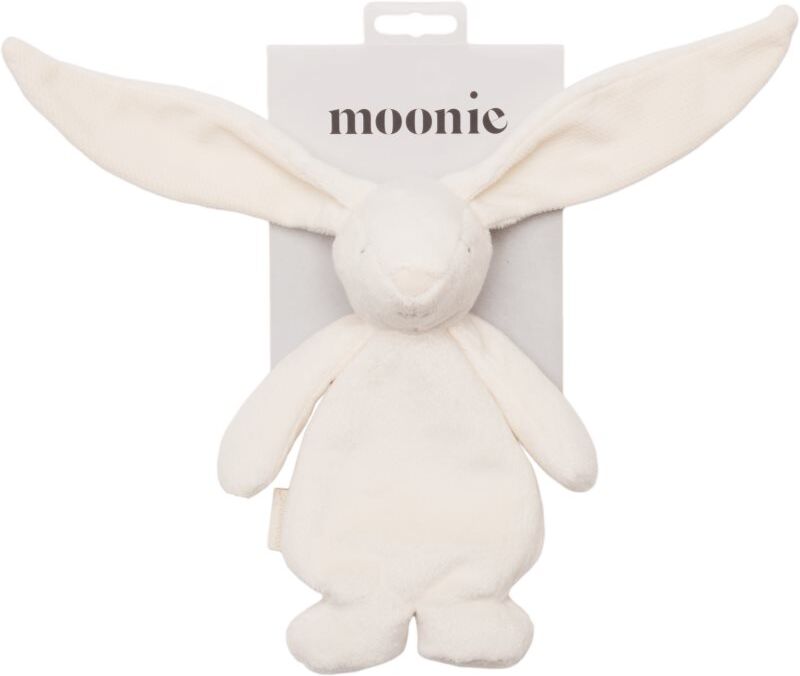
Moonie Sensory Little Teddy jouet en peluche Sand 1 pcsMoonie Sensory Little Teddy, 1 pcs, Petits jouets pour enfant, Les jouets constituent le moyen idéal pour faire participer les plus petits. En outre, un jouet Moonie Sensory Little Teddy ne fera pas que divertir votre enfant, il contribuera également au développement de ses sens ainsi que d’autres aptitudes. Le produit : jouet utilisable dès la naissance jouet se prêtant parfaitement aux câlins stimule le développement de la vue et du toucher développe la capacité du bébé à focaliser son attention peut servir de décoration dans une chambre d’enfant les différentes textures des matériaux stimulent le toucher de l'enfant Matériaux : en peluche33,90 €*Shipping: 3,45 €Secure redirect to the provider
-
LA REDOUTE COLLECTIONS Veste TeddyCette veste Teddy, esprit campus, reprend les codes du blouson iconique : bicolore, fermeture pressionnée et bords rayés. Une pièce au look tendance, facile à s’approprier au quotidien. Détails produit • Motif A en bouclette appliqué poitrine • Mi-saison • Col légèrement montant • Manches longues • Fermeture pressionnée • 2 poches devant • Finition bords côtes • Longueur : Court Composition et Entretien • Matière principale : 83% polyester, 12% laine, 3% acrylique, 2% viscose • Doublure : 100% polyester • Secondaire : 87% polyester, 13% laine • Matière principale : polyester recyclé au minimum à 50% • Pas de lavage ménager • Température de repassage faible / blanchiment interdit • Ne pas sécher en tambour • Nettoyage à sec autorisé • POLYESTER RECYCLÉ. Utiliser du polyester recyclé, c'est préserver certaines ressources et réduire les déchets.29,99 €*Shipping: 3,99 €Secure redirect to the provider
-
LA REDOUTE COLLECTIONS Blouson esprit TeddyDétails produit • Mi-saison • Col Teddy • Manches longues • Fermeture pressionnée • Motif A en bouclette brodée poitrine • 2 poches devant • Finition bords côtes rayés • Etiquette tissée et brodée en haut du dos • Longueur : Court Composition et Entretien • Matière principale : 57% polyester, 26% laine, 11% acrylique, 4% viscose, 2% polyamide • Doublure : 100% polyester • Garnissage : 100% polyester • Matière principale : polyester recyclé au minimum à 50% • Pour l'entretien, merci de vous référer aux indications figurant sur l'étiquette du produit • POLYESTER RECYCLÉ. Utiliser du polyester recyclé, c'est préserver certaines ressources et réduire les déchets. Fiche produit relative aux qualités et caractéristiques environnementales • Origine de fabrication (tissage, teinture, confection) : Chine • Rejette des microfibres plastiques dans l'environnement lors du lavage.31,99 €*Shipping: 3,99 €Secure redirect to the provider
-
What are sensory cells, sensory organs, and senses?
Sensory cells are specialized cells that detect and respond to specific stimuli, such as light, sound, touch, taste, and smell. These cells are found in sensory organs, which are structures in the body that contain sensory cells and are responsible for detecting and transmitting sensory information to the brain. The senses, on the other hand, are the physiological capacities of organisms that provide data for perception. They include sight, hearing, touch, taste, and smell, and are essential for experiencing and interacting with the environment. **
-
What is the difference between a primary sensory cell, a secondary sensory cell, and a sensory nerve cell?
Primary sensory cells are specialized cells that directly detect stimuli from the environment, such as light, sound, or touch. Secondary sensory cells receive signals from primary sensory cells and transmit them to the central nervous system. Sensory nerve cells, also known as sensory neurons, are responsible for transmitting the signals from secondary sensory cells to the brain, where they are processed and interpreted. In summary, primary sensory cells detect stimuli, secondary sensory cells relay the signals, and sensory nerve cells transmit the signals to the brain for processing. **
-
Are receptors sensory cells?
Receptors are not sensory cells themselves, but they are specialized proteins located on the surface of sensory cells. These receptors are responsible for detecting and responding to specific stimuli, such as light, sound, taste, or smell. When a receptor is activated by a stimulus, it triggers a series of biochemical reactions within the sensory cell, ultimately leading to the generation of a sensory signal that can be transmitted to the brain for processing. Therefore, while receptors are not sensory cells, they play a crucial role in the sensory process by detecting and transducing stimuli into neural signals. **
-
What is sensory perception?
Sensory perception refers to the process of receiving and interpreting information from the environment through the senses. This includes the five main senses of sight, hearing, touch, taste, and smell, as well as other sensory experiences such as balance, proprioception, and temperature. The brain then processes this sensory information to create a perception of the world around us, allowing us to interact with and understand our surroundings. Sensory perception is essential for everyday functioning and plays a crucial role in how we experience and navigate the world. **
Similar search terms for Moonie-Sensory-Little-Teddy
-
Moonie Seal berceuse Organic Polar 1 pcsMoonie Seal, 1 pcs, Veilleuses pour enfants pour enfant, La veilleuse projecteur Moonie Seal veillera à procurer à votre enfant un sentiment de sécurité et de sérénité lors des moments difficiles la nuit. Grâce aux images lumineuses qu’elle projettera sur les murs de sa chambre, il fera un voyage fantastique au pays des rêves. Outre le sentiment de sécurité et de sérénité qu’elle lui confère, la projection lumineuse l’aidera également à s’endormir et contribuera à développer sa curiosité et son imagination. Le produit : permet au bébé de s'endormir plus facilement procure au bébé un sentiment de sécurité facile à saisir grâce à la forme pratique agréable compagnon de berceau donne à l’enfant un sentiment familier rassurant convient aux enfants dès la naissance peut servir de décoration dans une chambre d’enfant émet une lumière douce et non perturbante qui calme l’enfant avant de dormir design adorable, se présente sous la forme d’un animal Matériaux : en peluche sans bisphénol A69,90 €*Shipping: 3,45 €Secure redirect to the provider
-
LA REDOUTE COLLECTIONS Tablier pressionné, col Teddy Détails produit • Col esprit Teddy • Manches longues • Poignets élastiqués • Fermeture pressionnée devant • Motif "skate" imprimé poitrine • 2 poches devant Composition et Entretien • 100% coton • Température de lavage 40° • Séchage en tambour faible • Température de repassage moyenne / blanchiment interdit • Pas de nettoyage à sec Fiche produit relative aux qualités et caractéristiques environnementales • Origine de fabrication (tissage, teinture, impression, confection) : Bangladesh Dernière mise à jour des informations : 11/03/202615,11 €*Shipping: 3,99 €Secure redirect to the provider
-
Moonie Sensory Little Teddy jouet en peluche Cappuccino 1 pcsMoonie Sensory Little Teddy, 1 pcs, Petits jouets pour enfant, Les jouets constituent le moyen idéal pour faire participer les plus petits. En outre, un jouet Moonie Sensory Little Teddy ne fera pas que divertir votre enfant, il contribuera également au développement de ses sens ainsi que d’autres aptitudes. Le produit : jouet utilisable dès la naissance jouet se prêtant parfaitement aux câlins stimule le développement de la vue et du toucher développe la capacité du bébé à focaliser son attention peut servir de décoration dans une chambre d’enfant les différentes textures des matériaux stimulent le toucher de l'enfant Matériaux : en peluche33,90 €*Shipping: 3,45 €Secure redirect to the provider
-
How does sensory development progress?
Sensory development progresses through a series of stages, beginning with basic sensory experiences such as touch, taste, and smell in infancy. As children grow, they develop more refined sensory abilities, such as improved vision and hearing, and begin to integrate sensory information to make sense of their environment. This process continues into adolescence and adulthood, with individuals becoming more adept at interpreting and responding to sensory stimuli. Overall, sensory development progresses from basic sensory experiences to more complex and integrated sensory abilities as individuals mature. **
-
What are artificial sensory organs?
Artificial sensory organs are devices designed to mimic the functions of natural sensory organs, such as the eyes, ears, and skin. These devices use advanced technology to detect and process sensory information, allowing individuals to perceive and interact with their environment in a way that is similar to natural sensory organs. Artificial sensory organs have the potential to enhance or restore sensory capabilities for individuals with disabilities, as well as to provide new sensory experiences for people without impairments. These technologies have the potential to revolutionize healthcare and human-computer interaction. **
-
What are sensory nerve cells?
Sensory nerve cells, also known as sensory neurons, are specialized cells that transmit information from the body's sensory organs (such as the skin, eyes, ears, nose, and tongue) to the central nervous system. These cells are responsible for detecting various stimuli, such as touch, temperature, pain, and pressure, and converting these stimuli into electrical signals that can be interpreted by the brain. Sensory nerve cells play a crucial role in allowing us to perceive and respond to our environment. **
-
Why is sensory transduction necessary?
Sensory transduction is necessary because it allows the body to convert various forms of environmental stimuli, such as light, sound, touch, and chemical signals, into electrical signals that can be interpreted by the nervous system. This process is essential for the body to perceive and respond to its surroundings, allowing for the detection of potential dangers, the regulation of bodily functions, and the experience of sensations such as taste, smell, and touch. Without sensory transduction, the body would not be able to effectively interact with its environment and respond to changes in its surroundings. **
* All prices are inclusive of VAT and, if applicable, plus shipping costs. The offer information is based on the details provided by the respective shop and is updated through automated processes. Real-time updates do not occur, so deviations can occur in individual cases. ** Note: Parts of this content were created by AI.